
ABA-VR E-LEARNING
ABA-VR E-LEARNING 4 Sections19 Lessons15 Quizzes10 Weeks
Lesson 4: Applications of ABA in Teaching

ABA techniques are fundamental in teaching skills such as communication, social interaction, and academic performance. Educators apply reinforcement and systematic training to develop key behaviors.
Communication skills
When discussing achieving optimal educational outcomes in a general education setting, it is imperative to identify the most crucial skills for children in this setting. One of the most important skills is communication. By developing this skill, children are able to articulate requests, convey their needs, answer questions from a teacher or classmates, form friendships, and engage in many other activities without resorting to unacceptable or challenging behaviors.
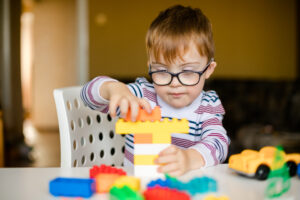
ABA methods successfully teach children to communicate using augmentative and alternative communication (AAC) devices, sign language, Picture Exchange Communication System (PECS), or vocal verbal language, helping them express their needs and wants more effectibely. Communication skills can be developed through creating opportunities for vocal expression, modeling of the behavior by a peer or teacher, prompting, and providing natural consequences for appropriate vocal or AAC responses. This approach is complemented by the use of differential reinforcement of alternative behaviors.
Teaching Social Interaction Skills
Social interaction skills are essential for fostering positive peer relationships and social inclusion, especially for students with disabilities such as autism spectrum disorder (ASD), ADHD, and learning disabilities. ABA techniques, including Social Skills Training (SST), are widely used in inclusive and specialized educational settings to support these students.
SST employs systematic methods to teach essential interpersonal skills, such as initiating conversations, understanding social cues, and engaging in group activities. Studies, such as those by Leaf, Taubman, Milne, Dale, and Leaf (2016), have expanded on these methods, using “cool” and “not-cool” routines, role-playing, and social skills taxonomy to teach appropriate social behaviors. Their work demonstrated that these strategies not only improve immediate social interactions but also help to generalize these skills to diverse social contexts, ultimately creating a more inclusive and supportive learning environment for all students.
Self-care skills

The ability to take care of yourself is a crucial aspect of independence and well-being. This becomes even more important in inclusive environments, where people with different abilities participate in learning and interactions. These environments offer a unique opportunity to customize self-care practices to suit diverse needs, ensuring that everyone can participate and benefit.
In addition, behavioral analytics research has been used to teach menstrual self-care skills to people with intellectual disabilities, showing significant improvements in independent performance of self-care tasks. The following examples illustrate the types of ABA strategies and self-care skills that can be employed in inclusive settings:
Personal hygiene:
- Hand washing: The teaching of proper techniques, using visual aids or step-by-step prompts.
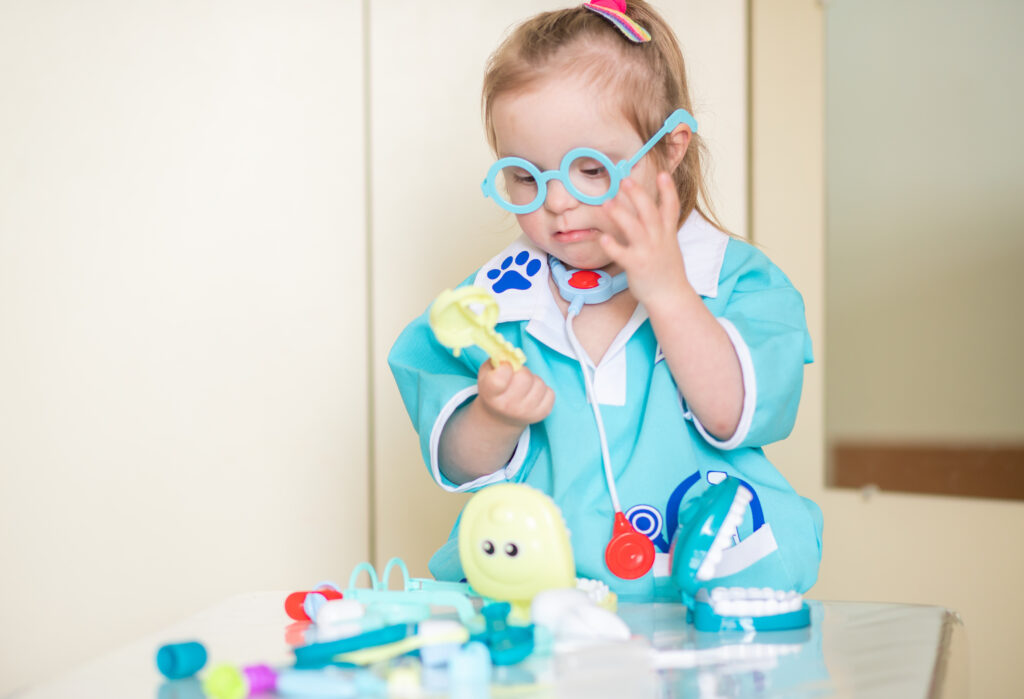
- Tooth brushing: The provision of task analyses and systematic teaching methods like chaining or visual schedules.
- Bath and shower: Using adapted equipment to ensure privacy and safety, the process is broken down into manageable steps, with visual or verbal prompts as needed. Social stories can also be used to teach this and other self-help skills.
Eating and drinking:

- Use of utensils: Proper grip and coordination are taught using adapted utensils if necessary.
- Independent eating and drinking: Independence is encouraged while providing support, such as dish protectors or spill-proof cups, as needed.
Basic food preparation:
Promoting independence and healthy eating: Promoting healthy eating habits and basic food preparation skills is part of developing self-care routines. Behavior chains (multi-step behaviors) like making a sandwich can be taught using chaining procedures that involve the systematic use of prompts in teaching behaviors in a step-by-step manner.”Grooming:
- Routine and schedule: The establishment of consistent bathing routines and the use of visual schedules is recommended.
- Independence: Proper cleaning techniques, flushing the toilet and subsequent hand washing.
- Accommodations: Installing grab bars, providing stools, or using adaptable toilet seats are examples of possible accommodations.
- Hair Care: Instruction in proper hair care techniques, including the use of adaptable brushes, if necessary.
- Nail care: Guidance on safe cutting techniques or assistance as needed.
- Skin care: The promotion of regular routines for hydration, sun protection, and treatment of skin conditions is also encouraged.
Health and safety:
- First Aid: The acquisition of fundamental skills, such as the ability to apply a bandage or to recognize when professional assistance is required.
- Medication: The correct administration of medication, including the use of pill organizers or alarms as reminders.
- Safety awareness: The ability to identify potential hazards in the environment and understand fundamental safety rules (e.g., observing traffic signs before crossing a street).
Domestic Responsibilities:
- Cleaning: These tasks include cleaning surfaces, sweeping, and tidying up personal spaces.
- Laundry: The sorting, washing and folding of clothes.

Academic Skills
Academic interventions are strategies and techniques used to improve students’ academic skills in areas such as reading, writing, and math. These interventions are often evidence-based and designed to address specific learning difficulties or improve overall academic performance.
It is necessary to start academic interventions with screening, which gives the possibility of providing periodic assessments to identify students at risk of academic difficulties (Fuchs & Fuchs, 2006) and diagnostic assessment, i.e. an in-depth assessment to understand specific learning needs and strengths (Jenkins & Hudson, 2006) to identify people’s skill level.
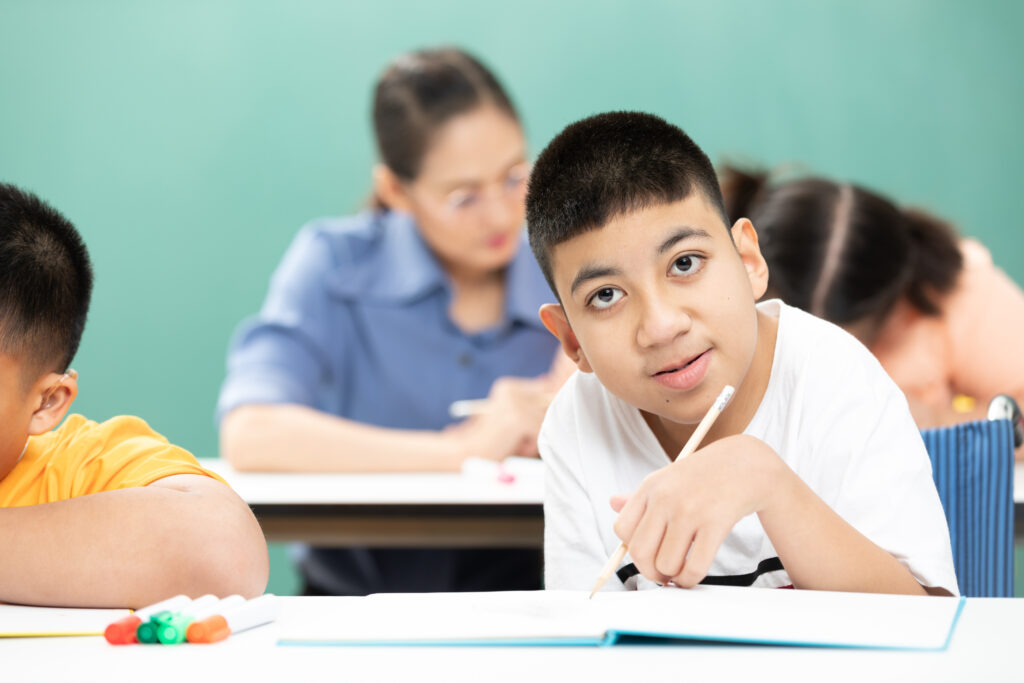
For students with ASD or other mental developmental disabilities, selecting personalized and effective teaching methods is essential. Using ABA-based strategies, the following methods can be used to develop academic skills.
ABA-based interventions for academic skills:
Reading interventions:
- Discrete Trial Training (DTT): Use a structured teaching approach that involves breaking down reading skills into discrete trials or interlocking three-term contingencies, each consisting of an antecedent (cue), response, and consequence (Smith, 2001).
- Error-less learning: Minimizing student errors by providing immediate prompts and systematically increasing difficulty in ensuring success (Leaf & McEachin, 1999).

- Precision teaching: Employs frequent measures of student achievement to inform instructional decisions1. It places particular emphasis on the development of fluency in reading skills1. Tracking progress and adjusting instruction based on data helps develop reading fluency and comprehension (Lindsley, 1992).
Writing Interventions:

- Self-management: Teaching students to track their writing behaviors, such as the number of words written or the use of specific writing strategies (Harris et al., 2005).
- Goal Setting and Feedback: Helping students set specific writing goals and providing regular feedback on their progress (Graham, MacArthur, & Fitzgerald, 2013).
- Task Analysis: The method of breaking down the writing process into smaller, teachable steps. Each step that is written in the task analysis (list of steps in the skill) is taught individually and systematically. This method can teach complex writing tasks, such as writing essays and research papers (Cooper, Heron, & Heward, 2020).
Mathematical interventions:
- Direct Instruction: Using explicit teacher-directed instruction with a focus on clear, concise explanations and guided practice (Carnine, 1997).
- Precision teaching: Measuring students’ performance in specific math skills daily and making instructional adjustments based on data, with an emphasis on building fluency in basic skills (Lindsley, 1992).
Challenging behavior

ABA provides a framework and set of techniques to effectively address challenging behaviors, including when individuals with diverse abilities learn and interact together or begin learning in inclusive settings1. Research has shown that ABA effectively reduces challenging behaviors and promotes positive behaviors in inclusive environments by tailoring interventions to each student’s specific needs (Smith, 2012). Techniques such as Functional Communication Training (FCT) and positive reinforcement are particularly beneficial in these settings (Tiger, Hanley, & Bruzek, 2008).
After completing a functional behavior assessment (FBA), professionals can identify the function of the challenging behavior. This process involves collecting data on the background/antecedents (i.e., the circumstances that preceded the behavior), the behavior itself, and the consequences (i.e., the outcomes that follow the behavior). Stakeholder engagement allows for the collaboration of teachers, assistants, parents, and students in collecting comprehensive data from multiple perspectives. In addition, an environmental analysis is performed to identify environmental factors, both physical and social, that can influence behavior. This analysis is carried out simultaneously with the antecedent and consequence analyses.